If you are getting ready to sell in Blackthorne, you are not just putting a house on the market. You are presenting a home within a specific HOA community, with a golf-course setting, multiple home styles, and details buyers will notice right away. That can feel like a lot to manage, especially if you want a smooth sale and a strong price. This guide walks you through a practical step-by-step plan so you can prepare confidently and move forward with a clear strategy. Let’s dive in.
Start With Blackthorne-Specific Prep
Blackthorne Estates sits in Penn Township, Westmoreland County, and the community includes townhomes, carriage homes, patio homes, and single-family homes. Because of that mix, buyers may compare your property not only by size and finishes, but also by lot placement, privacy, exterior appearance, and how the home fits within the neighborhood setting.
That makes early preparation especially important. Before you list, it helps to gather the details that explain your home clearly and reduce surprises once a buyer is interested.
Confirm Township Records and Permits
Penn Township’s Community Development Department handles zoning, code enforcement, sewage enforcement, planning, and permit applications for work such as additions, decks, pools, sheds, and other accessory structures. The township also handles occupancy inspections for current residential homes.
If you made improvements over the years, now is the time to confirm that your paperwork is in order. Having permit records and occupancy-related information ready can help prevent delays later in the sale.
Gather HOA Documents Early
Blackthorne’s HOA states that bylaws and CC&Rs govern the community, and HOA dues are collected by Acri Realty. For a seller, that means buyers may want clear information about community rules, dues status, and any transfer-related paperwork.
Try to collect these items before your home goes live:
- HOA bylaws
- CC&Rs
- Current dues information
- Any architectural guidelines that apply to the property
- Any HOA transfer forms or required resale documents
When these documents are ready upfront, you can answer buyer questions faster and avoid scrambling once you have an offer.
Price With Strategy, Not Assumptions
It is easy to assume that a home in an amenity-oriented community will automatically bring a premium. In reality, current county conditions suggest that pricing still needs to be precise.
Recent Westmoreland County market snapshots show a more balanced environment. In March 2026, Realtor.com described the county as balanced, with homes selling for 1.84% below asking on average. Redfin also reported a median sale price of $237,836 and an average of 61 days on market over the three months ending April 2026. While those figures come from different methodologies and timeframes, they point to the same takeaway: presentation and pricing matter.
Build Pricing Around the Right Factors
In Blackthorne, your list price should be supported by actual comparable sales and property-specific features. Buyers are likely to weigh details like:
- Lot orientation
- Views of golf-course or common areas
- Privacy
- Exterior condition
- Interior upgrades
- Overall maintenance
- HOA compliance
A strong pricing strategy does not assume every lot or every home style carries the same value. It looks closely at what your property offers and how that compares to recent sales.
Prepare the Home for How Buyers Will Judge It
In a neighborhood like Blackthorne, buyers are likely to pay attention to more than the kitchen and bathrooms. The community’s golf-course identity and HOA structure can make the outside of the home feel just as important as the inside.
That means sellers should spend time on the full presentation, not just a few cosmetic fixes.
Focus on Exterior Condition
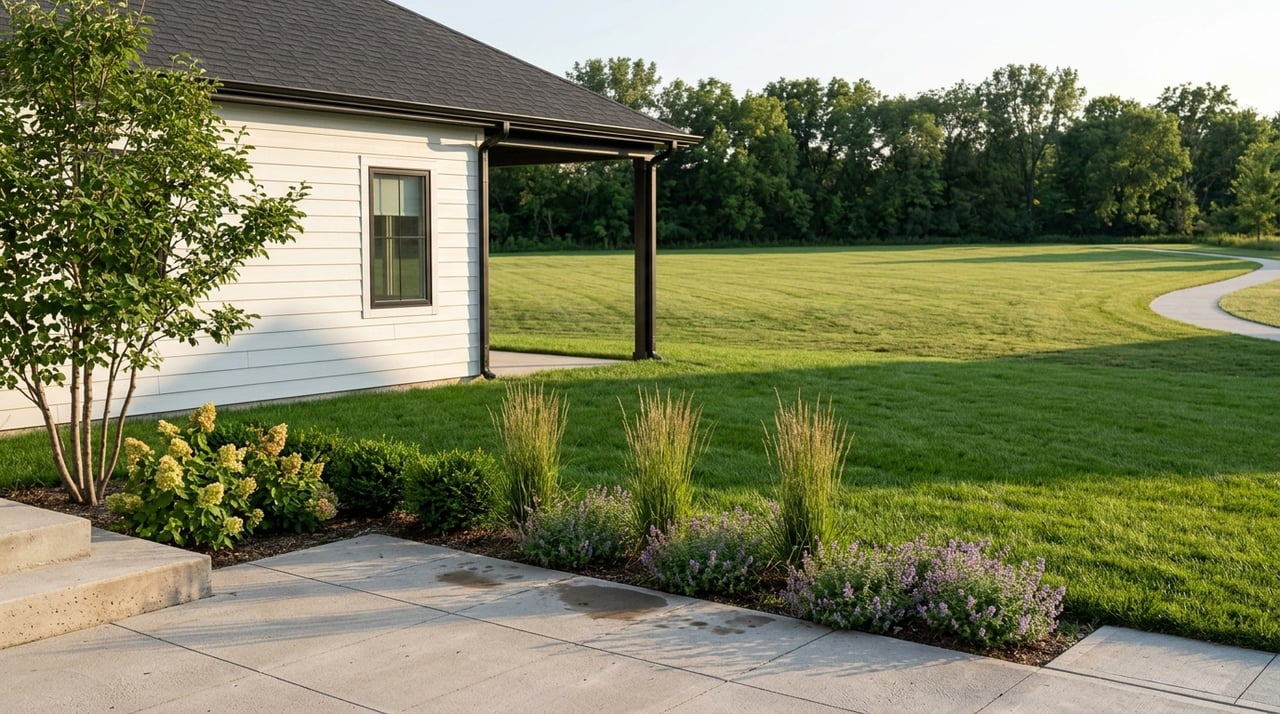
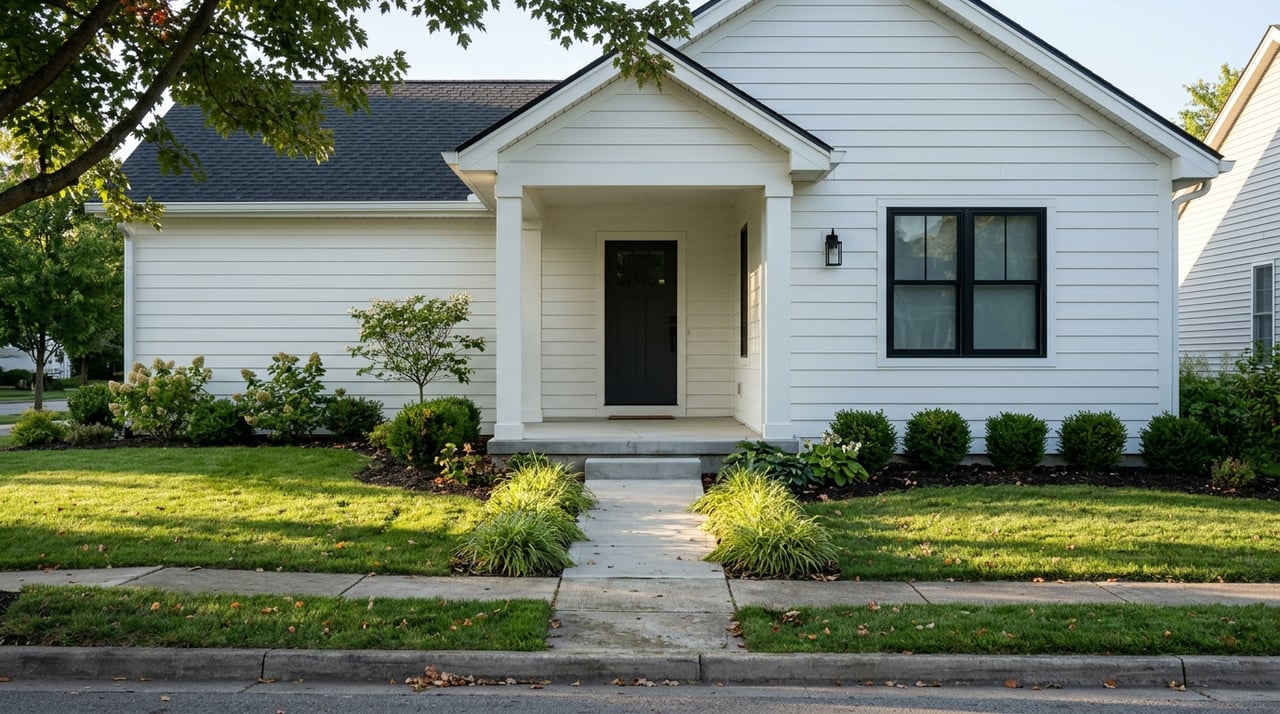
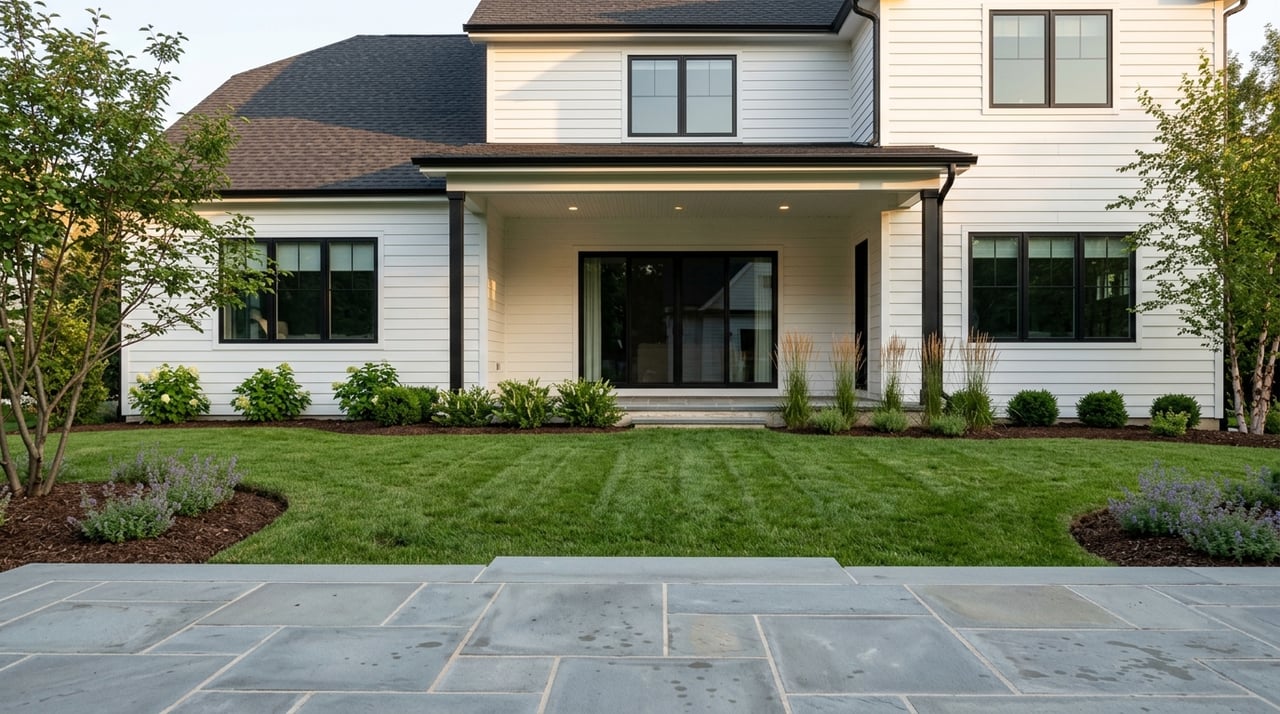
Because buyers may notice rear elevation, landscaping, drainage, and outdoor living spaces, exterior prep deserves real attention. A well-kept patio, clean siding, maintained landscaping, and tidy outdoor areas can help the property feel move-in ready.
This is especially true if your home benefits from a view, open space, or proximity to the clubhouse. Those features should feel visible and intentional, not hidden behind deferred maintenance or clutter.
Organize Maintenance Records
Pennsylvania’s seller disclosure form asks about major systems and conditions, including plumbing, heating and air conditioning, electrical systems, water and sewage, underground fuel tanks, and certain hazardous substances. In practice, that means maintenance records can be very useful once buyers begin asking questions.
It helps to gather records related to:
- HVAC service
- Roof repairs or replacement
- Plumbing updates
- Electrical work
- Water or sewage information, if applicable
- HOA-related approvals for exterior changes
Having this information ready can support your disclosures and make the process feel more orderly for everyone involved.
Market the Home Around Its Setting
Blackthorne is not a one-note neighborhood, so marketing should reflect what makes your specific property stand out. The most effective presentation is usually the one that helps buyers understand both the home itself and its relationship to the community.
That is why polished, intentional marketing matters here.
Highlight Views, Outdoor Space, and Placement
Based on the community’s golf-course setting and emphasis on scenic views, clubhouse amenities, and low-maintenance living, listing photography should do more than cover the basics. Images should help buyers see the lot’s position, rear elevation, outdoor living space, and any view corridors that add value.
If your home backs to open space, overlooks part of the course, or has a particularly private outdoor area, those details should be part of the story from day one. Buyers may be judging the overall setting just as much as the square footage.
Complete Disclosures Carefully
One of the smartest things you can do before listing is prepare your disclosure package thoroughly. Pennsylvania’s Seller Disclosure Law requires sellers of residential real property to disclose known material defects that are not readily observable.
The law does not require you to investigate unknown issues, but it does require you to disclose what you know. It also requires you to notify the buyer if previously disclosed information becomes inaccurate before final settlement.
Know What the State Form Covers
Pennsylvania’s disclosure form asks about a wide range of conditions and systems. These include:
- Water and sewage source and condition
- Plumbing
- Heating and air conditioning
- Electrical systems
- Underground fuel tanks
- Hazardous substances such as asbestos, PCBs, radon, lead paint, and UFFI
- Any applicable homeowners association
If the property has private water or septic, the form also asks for the last water test date, the sewage type, and whether the system is shared. Even though the form is not a warranty and does not replace inspections, a careful and complete disclosure can help reduce confusion later.
Remember Lead-Based Paint Rules if Applicable
If your home was built before 1978, federal law requires sellers and agents to disclose known lead-based paint information, provide available records, include a Lead Warning Statement, and give the buyer a 10-day opportunity to inspect unless that right is waived.
This is one more reason to start paperwork early. The more complete your file is before listing, the easier it is to respond quickly once a buyer is in place.
Manage the Contract-to-Closing Period Closely
Getting an offer is a major step, but it is not the finish line. Once a buyer is under contract, the next phase usually includes inspections, appraisal, title work, and final settlement.
In Blackthorne, buyers may look closely at exterior condition, landscaping, drainage, and HOA-related details during this stage. Staying organized can help you keep the deal moving.
Be Ready for Inspection Questions
Because the disclosure form is not a substitute for inspections, buyers and inspectors may still ask follow-up questions. They may want clarification on repairs, system ages, HOA items, or prior improvements.
This is where good records, clear disclosures, and a calm response strategy can make a big difference. If something changes after the disclosure is completed and before settlement, Pennsylvania law allows the disclosure to be amended in writing before the transfer agreement is signed, and it requires the seller to notify the buyer if the disclosure becomes inaccurate before final settlement.
Prepare for County Recording Requirements
A clean closing package matters in Westmoreland County because the Recorder of Deeds has specific recording requirements. Missing information can delay recording.
According to Westmoreland County requirements, recorded transfers need items such as:
- Transfer taxes or a Statement of Value unless exempt
- Original signatures
- The property’s municipality, county, and state on deeds
- Certified grantee addresses
- A UPI code
- The county tax map number on recorded real-estate documents
For Penn Township and Penn-Trafford School District transfers, Westmoreland County’s current transfer-tax table lists a total transfer tax of 2.0%. That is an important number to account for when estimating your net proceeds.
Follow a Simple Selling Plan
When you break the process down, selling in Blackthorne becomes much more manageable. The key is to treat the sale like a coordinated project, not a last-minute listing.
A simple plan looks like this:
- Confirm permits, improvements, and occupancy-related items with Penn Township.
- Gather HOA documents, dues information, and any transfer paperwork.
- Organize maintenance records and system information.
- Prepare disclosures carefully based on known conditions.
- Price the home using comparable sales, condition, and lot-specific features.
- Market the property with strong visuals that show setting, views, and outdoor space.
- Stay responsive through inspections, appraisal, and closing paperwork.
With the right preparation, you can protect your timeline, reduce avoidable stress, and present your home in a way that matches how buyers are likely to evaluate it.
If you are planning a sale in Blackthorne and want a polished, strategic approach from pricing through closing, Jessica Milko can help you build the right plan.
FAQs
What makes selling a home in Blackthorne different from selling elsewhere in Westmoreland County?
- Blackthorne homes may be judged on more than interior finishes and square footage. Buyers may also look closely at lot orientation, privacy, exterior condition, views, outdoor space, and HOA compliance.
What HOA documents should you gather before selling a home in Blackthorne?
- You should gather the HOA bylaws, CC&Rs, current dues information, architectural guidelines if applicable, and any transfer or resale paperwork tied to the community.
What should you verify with Penn Township before listing a Blackthorne home?
- You should verify permits, zoning or code-related issues, sewage-related items if applicable, and any occupancy inspection requirements connected to the property.
What does Pennsylvania require sellers to disclose when selling a home?
- Pennsylvania requires sellers of residential real property to disclose known material defects that are not readily observable, and sellers must update that information if it becomes inaccurate before final settlement.
What closing costs should sellers in Penn Township, Westmoreland County watch closely?
- Sellers should account for transfer-tax requirements and make sure the closing package includes required recording items such as original signatures, certified grantee addresses, the UPI code, and the county tax map number.