North Huntingdon's median list price sat at roughly $414,000 in June 2026, with homes taking a median 185 days to go under contract. Meanwhile, a single-family listing in Lincoln Hills has been asking near $825,000, and the plan's recent resales have moved through the mid-$500s and up. The gap looks like a finish-quality story on the surface. It isn't.
The Lincoln Hills premium is a plan-level story. One developer, one builder, one set of engineered streets with sidewalks on both sides, and a fixed pool of about 350 homes. That structure is what the price is really measuring, and it's what makes buying (and pricing) inside the plan behave differently from the rest of the township.
The Number That Does Not Fit The Township
Movoto's North Huntingdon snapshot for June 2026 pegged the township median list at $414,000, with days on market at 185 and price per square foot down about 5% year over year. That's the number a buyer reading portals sees before ever driving out to see a house.
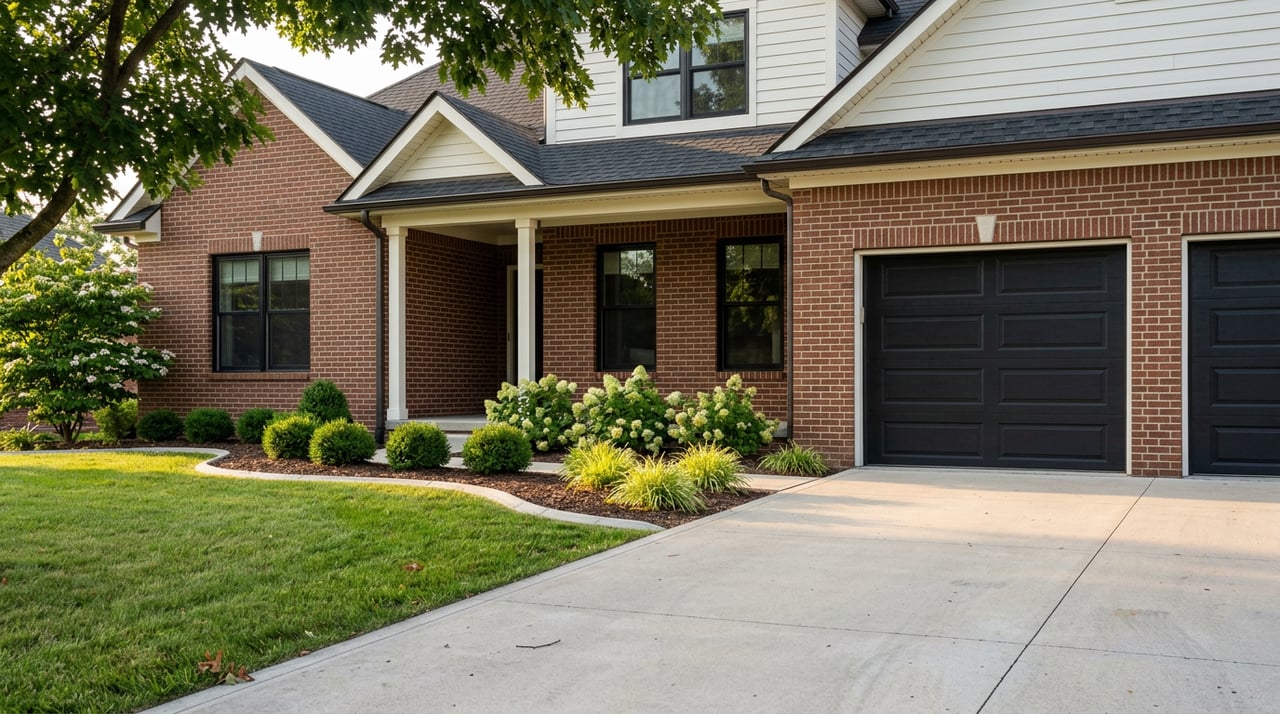
Then the same buyer clicks a Lincoln Hills listing and finds a two-story with granite, a covered concrete patio, a tray-ceiling primary suite, and an asking price that reads more like Sewickley than North Huntingdon. Nothing in the township-level median explains that spread. The explanation lives inside the plan.
What A Single Developer And 350 Lots Actually Do To Pricing
Lincoln Hills was built out under one development entity, with Don Tarosky named as a partner in the project. TribLive reported the plan at 350 homes, making it the largest residential development in North Huntingdon Township. Most listings in the plan reference Shuster as the builder. That combination matters more than it sounds.
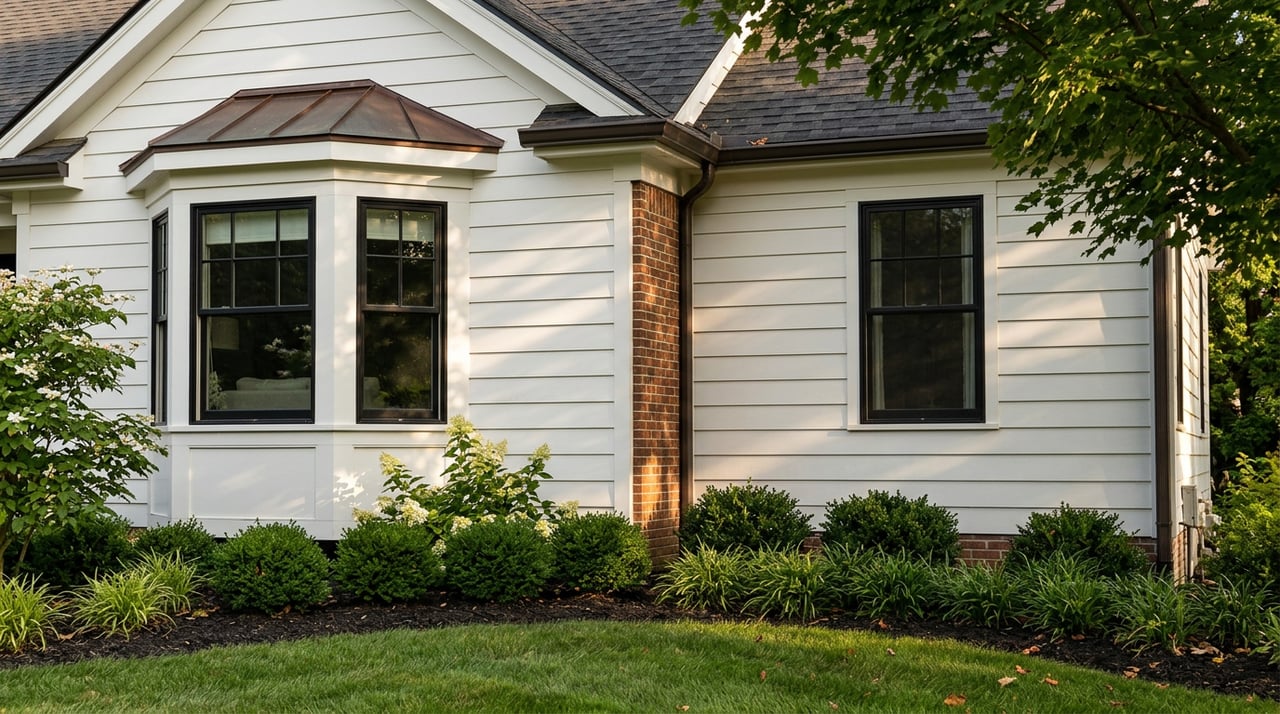
When one builder produces the bulk of a 350-home plan on engineered lots, the housing stock inside the plan looks like a controlled sample. Ceiling heights, foyer treatments, window packages, garage orientations, and lot dimensions cluster tightly. So do the finishes buyers keep flagging in resale copy: two-story foyers with iron spindles, maple or hickory kitchens with granite, jetted primary baths, covered rear patios, and 9-foot main-floor ceilings.
For pricing purposes, that clustering does three things:
- It compresses the range of what a buyer can find inside the plan, so the "cheap Lincoln Hills house" and the "expensive Lincoln Hills house" are closer in bones than they look.
- It raises the floor. A tired kitchen inside the plan still sits on a Shuster shell with the plan's layout advantages.
- It makes finishes read as the variable, when the real variable is which lot, which cul-de-sac, and which floor plan the seller happens to own.
Buyers who assume they are comparing Lincoln Hills to the rest of the 15642 zip are actually comparing 350 homes to roughly everything else built in North Huntingdon over the last seventy years. The two data sets are not the same product.
Why The Sidewalks Matter More Than They Should
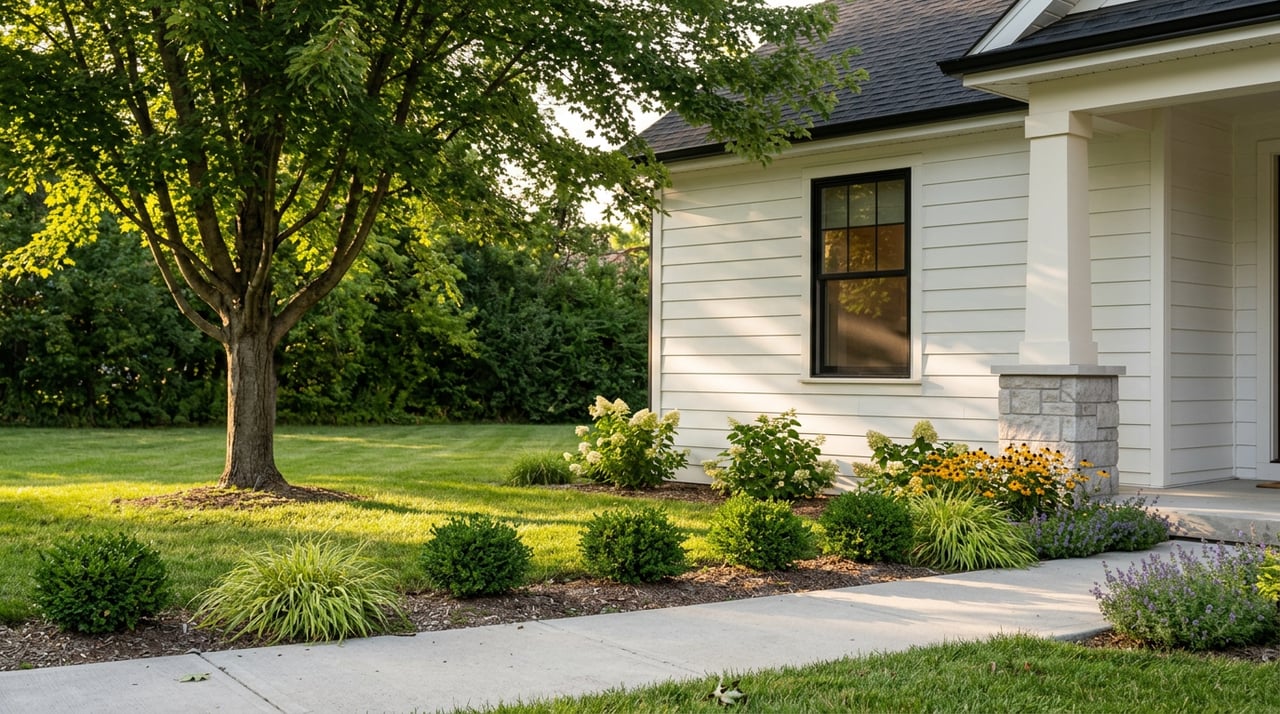
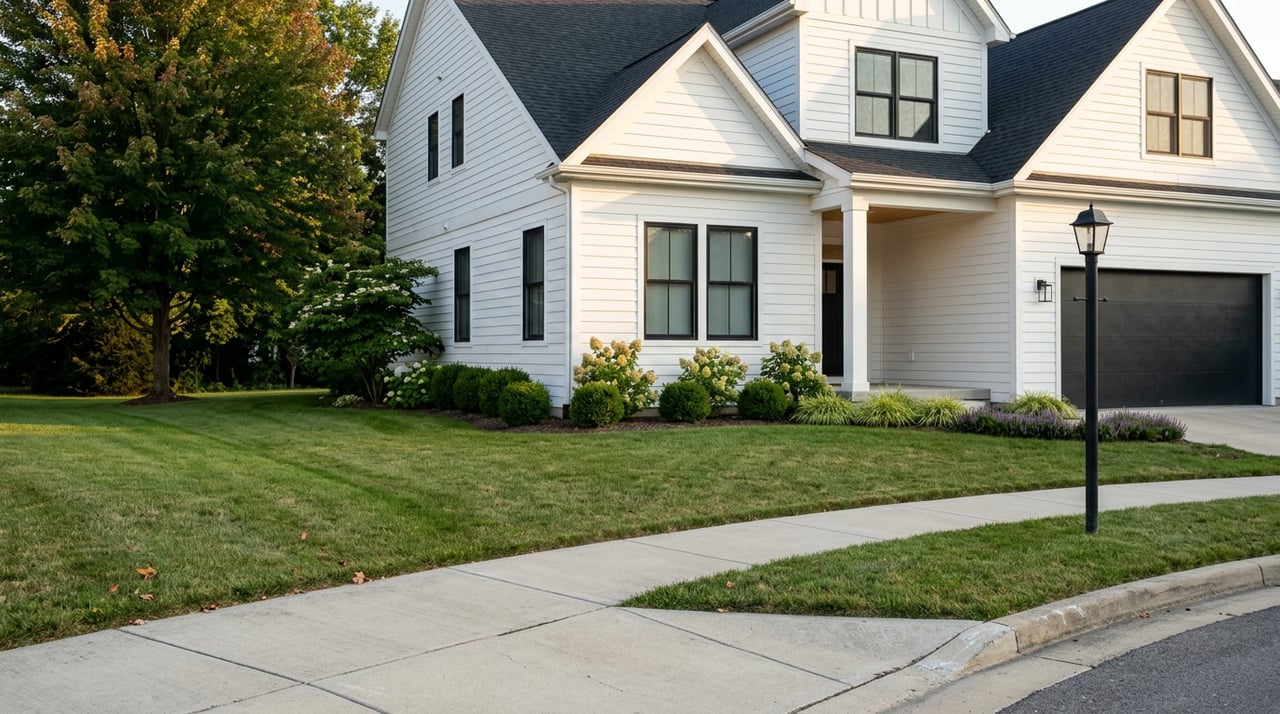
Listings inside the plan repeatedly market it as North Huntingdon's "premiere sidewalk community." That reads like marketing until you look at the rest of the township, where most residential streets have no continuous sidewalk network at all. Continuous sidewalks on both sides of a street, with street lighting, are a design choice that happens when a private developer engineers a plan from scratch. They almost never get retrofitted into an older neighborhood.
The result is that Lincoln Hills is one of the few places in North Huntingdon where a buyer can price a home with a walkable, lit interior street network as a baked-in feature. That's an amenity buyers will pay for even when they can't articulate why, and it shows up in the spread between plan pricing and township pricing.
It also explains a subtler thing: buyers who tour Lincoln Hills tend to tour it against Murrysville or Penn Township build-outs of similar vintage, not against 1960s ranches a mile away on Clay Pike. The plan competes outside its own township, which anchors expectations higher.
The Comp Problem Specific To This Plan
Here is the friction most Lincoln Hills buyers and sellers hit at the appraisal or offer stage, and it's worth understanding before writing an offer.
Because one builder produced most of the plan, the same three or four floor plans repeat across the 350 homes. That makes comping unusually clean on layout, and unusually messy on condition. An appraiser or a strategic buyer can pull three sales of the same Shuster floor plan within the plan and see, in dollar terms, what the market paid for a redone kitchen versus a builder-grade original. That granularity does not exist for most North Huntingdon subdivisions, where housing stock is heterogeneous by decade.
The flip side: with only around 350 homes total and a turnover rate that in most months puts one or two active listings on the map, sellers can go months without a same-plan sale to anchor pricing. When that happens, the last Lincoln Hills sale, even if it's stale, ends up carrying more weight than it should. Sellers who list against an eighteen-month-old comp price too low. Buyers who write against that same comp overpay if the market has moved.
The move is to price against the plan first and the township second, and to look at both the layout comp (same Shuster plan) and the condition comp (whatever recently sold, wherever it sits inside Lincoln Hills). A township-wide median is almost useless inside these streets.
Reading A Lincoln Hills Listing Against The Township
Once you know what you're looking at, the differences translate into a pretty concrete checklist. This is how the plan reads next to the surrounding North Huntingdon inventory as of mid-2026:
| Feature | Lincoln Hills | North Huntingdon (township-wide) |
|---|---|---|
| Predominant builder | Shuster, single developer plan | Mixed, across roughly seven decades |
| Street network | Continuous sidewalks both sides, street lighting | Largely no sidewalk network |
| Typical layout | 9-ft main-floor ceilings, two-story foyer, covered rear patio | Highly variable by decade |
| Total homes | ~350 | Thousands, heterogeneous |
| Typical active listings | Often one or two at a time | 36 as of a recent Movoto count |
| Median list, June 2026 | Premium to township median | ~$414,000 |
| Days on market context | Thin sample; often anchored to prior in-plan sale | 185 days median |
The takeaway from that comparison isn't that Lincoln Hills is objectively better. It's that Lincoln Hills is a different product than the rest of the 15642 inventory, and the pricing math has to acknowledge that.
What This Means For A Buyer Writing An Offer This Summer
Western Pennsylvania's 2026 posture reads as more balanced than the 2022-2023 stretch, with modest appreciation and slightly better selection. That backdrop generally favors patient buyers. Inside Lincoln Hills, patience cuts differently. When a floor plan you like actually lists, you may not see another of that exact plan for six or nine months. Days-on-market averages at the township level do not describe the urgency of an in-plan opportunity.
The strategic move is to line up your financing and inspection team before you tour, and to have a same-plan comp study ready to run the day a listing hits. Sellers inside the plan tend to be sophisticated about what their house is worth relative to the plan. Buyers who arrive with township-level comps get outmaneuvered.
For sellers, the mirror-image play is preparation. Because your buyers are comparing you to Murrysville and Penn Township build-outs, staging, photography, and condition presentation carry more weight here than the North Huntingdon median would suggest. The plan is competing above its zip code, and your listing has to look like it.
A Few Questions Worth Answering Directly
Is Lincoln Hills all new construction? No. The plan was built out under a single developer over multiple phases and is now a resale market. Homes trade as existing single-family properties, with the finish variability you'd expect from a plan that has been settled for years.
Why do listings keep calling it the "premiere sidewalk community"? Because in North Huntingdon that phrase is almost literal. The plan was engineered with continuous sidewalks and street lighting from the start, which most of the surrounding township does not have.
Should I use the North Huntingdon median as a starting point for what a Lincoln Hills home should cost? Only as a floor, not as a guide. The plan's product profile, layout, and street network price it against a different peer set. In-plan and same-floor-plan comps are the numbers that matter.
How thin is inventory, really? Thin enough that a serious buyer should set up saved-search alerts and be ready to tour within days. Sellers considering a listing in the next twelve months should start the preparation conversation earlier than they would in a more liquid market.
If you're weighing an offer inside Lincoln Hills, or wondering whether the plan will still price this way when you go to sell, the answer isn't in the township median. It's in the same-plan comp set and the way this particular 350-home community reads to the buyers who show up. That's the conversation the team at Jessica Milko is built to have with you. Let's Connect.